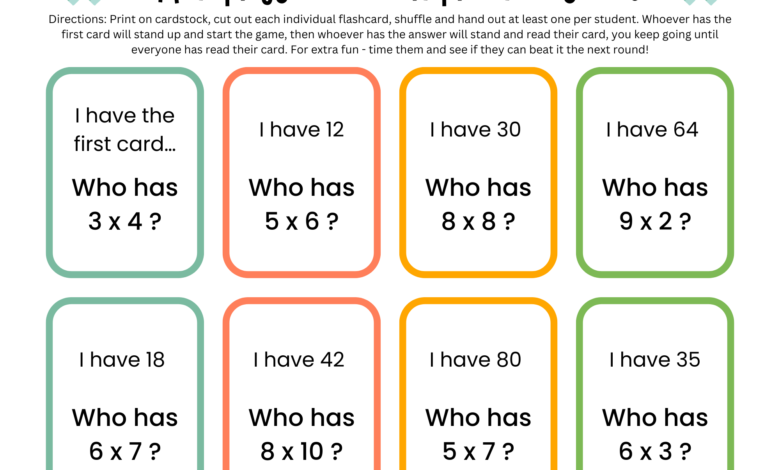
Learning multiplication is one of the most important steps in a child’s mathematics journey. While traditional worksheets and textbooks remain useful, many students learn faster when lessons are presented in an engaging and interactive format. This is where MathPlayground multiplication games have become popular among students, parents, and teachers.
MathPlayground offers a wide collection of educational games designed to make math practice enjoyable. Instead of memorizing multiplication facts through repetition alone, students can improve their skills while solving challenges, completing missions, and participating in interactive activities. The combination of learning and entertainment helps children stay motivated and develop confidence in mathematics.
In today’s digital learning environment, educational gaming platforms are transforming how students approach difficult subjects. Multiplication, often considered challenging for younger learners, becomes more approachable when presented through fun and rewarding activities. MathPlayground multiplication games are an excellent example of how technology can support education in meaningful ways.
What Are MathPlayground Multiplication Games?
Mathplayground multiplication games are online educational activities that help students practice multiplication facts, multiplication strategies, and problem-solving skills. These games are designed for elementary and middle school learners who want to improve their mathematical abilities in an interactive way.
The platform includes a variety of game styles, such as:
- Adventure games
- Puzzle games
- Racing challenges
- Logic-based activities
- Timed multiplication exercises
- Strategy games
Each game focuses on developing multiplication fluency while keeping students engaged through colorful graphics, exciting objectives, and rewarding gameplay.
Unlike traditional drills that can feel repetitive, these games encourage active participation and critical thinking. Students often learn without realizing they are practicing essential math concepts.
Why Multiplication Skills Matter
Multiplication serves as the foundation for many advanced mathematical concepts. Students who develop strong multiplication skills often find it easier to understand:
- Division
- Fractions
- Ratios
- Percentages
- Algebra
- Geometry
- Data analysis
A solid understanding of multiplication facts allows students to solve problems more efficiently and build confidence in the classroom.
When children struggle with multiplication, they may face difficulties in later grades. Regular practice through engaging activities helps strengthen these skills and creates a positive learning experience.
Mathplayground multiplication games provide an enjoyable way to reinforce these essential concepts while reducing the stress often associated with math practice.
Benefits of Using MathPlayground Multiplication Games
1. Increased Student Engagement
One of the biggest challenges in education is maintaining student interest. Many children lose focus when completing repetitive exercises. Interactive games capture attention and encourage longer periods of practice.
The game-based approach motivates students to continue learning because they are actively involved in achieving goals and overcoming challenges.
2. Improved Multiplication Fluency
Frequent exposure to multiplication facts helps students improve speed and accuracy. As children play different games, they repeatedly encounter multiplication problems in various formats.
This repeated practice strengthens memory retention and supports long-term learning.
3. Immediate Feedback
Traditional worksheets often require students to wait for grading before discovering mistakes. Online multiplication games provide instant feedback.
Students can quickly identify incorrect answers and learn from their errors. This immediate response helps reinforce correct mathematical thinking.
4. Development of Problem-Solving Skills
Many mathplayground multiplication games activities go beyond simple fact memorization. Students must apply multiplication knowledge to solve puzzles, complete missions, and make strategic decisions.
These challenges encourage critical thinking and logical reasoning while strengthening multiplication abilities.
5. Encourages Independent Learning
Children can use multiplication games independently at home or in the classroom. The user-friendly design makes it easy for students to navigate activities without constant supervision.
Independent learning promotes responsibility and helps students develop confidence in their abilities.
Popular Types of Multiplication Games
Multiplication Fact Practice Games
These games focus on helping students memorize multiplication tables through repeated exposure and practice.
Players answer multiplication questions to progress through levels, earn points, or unlock achievements. The goal is to improve speed and accuracy while maintaining engagement.
Puzzle-Based Multiplication Games
Puzzle games require students to use multiplication skills to solve challenges and reach objectives.
These activities combine mathematics with logical thinking, creating a more comprehensive learning experience.
Racing and Adventure Games
Racing games add excitement to multiplication practice. Students answer questions correctly to move faster, overcome obstacles, or complete adventures.
The competitive element motivates learners to improve performance while enjoying the gameplay.
Strategy Games
Strategy-based activities require players to think ahead and make informed decisions.
Success often depends on correctly applying multiplication concepts within different scenarios, helping students develop deeper mathematical understanding.
How Teachers Use MathPlayground Multiplication Games
Teachers frequently incorporate educational games into lesson plans because they offer a valuable supplement to traditional instruction.
In classrooms, multiplication games can be used for:
- Warm-up activities
- Small-group instruction
- Independent practice
- Learning centers
- Homework assignments
- Review sessions
- Assessment preparation
Many educators appreciate the ability to provide differentiated learning experiences. Students can practice at their own pace while receiving targeted reinforcement of multiplication concepts.
Games also create opportunities for collaborative learning, allowing students to work together and discuss mathematical strategies.
How Parents Can Support Learning at Home
Parents play an important role in helping children develop strong math skills. Educational games provide a convenient way to reinforce classroom learning outside school hours.
To maximize learning benefits, parents can:
Create a Consistent Practice Schedule
Short daily practice sessions are often more effective than occasional lengthy study periods.
Even 15 to 20 minutes of multiplication game practice can produce noticeable improvements over time.
Set Achievable Goals
Encourage children to focus on specific multiplication tables or skill levels.
Celebrating small achievements helps maintain motivation and builds confidence.
Monitor Progress
Observe improvements in speed, accuracy, and problem-solving abilities.
Recognizing growth can inspire students to continue practicing and developing their skills.
Balance Games with Traditional Learning
Educational games work best when combined with other learning methods such as worksheets, flashcards, and classroom instruction.
A balanced approach supports comprehensive skill development.
Why Students Enjoy Multiplication Games
Many students view multiplication practice as a difficult or boring task. Educational games change this perception by introducing fun and excitement into the learning process.
Students often enjoy multiplication games because they include:
- Interactive challenges
- Reward systems
- Engaging graphics
- Creative storylines
- Friendly competition
- Achievement tracking
These elements transform routine practice into an enjoyable experience that encourages continued participation.
When students associate learning with positive emotions, they are more likely to remain motivated and develop a lifelong interest in mathematics.
The Role of Educational Technology in Math Learning
Technology has significantly changed modern education. Digital learning tools provide opportunities for personalized instruction, interactive experiences, and flexible access to educational resources.
Mathplayground multiplication games represent a broader trend toward technology-enhanced learning. These platforms allow students to:
- Learn at their own pace
- Access educational content from anywhere
- Receive instant feedback
- Practice independently
- Stay engaged through interactive experiences
As educational technology continues to evolve, game-based learning is expected to remain an important component of mathematics education.
Tips for Success with Multiplication Games
Students can maximize the benefits of multiplication games by following a few simple strategies.
Practice Regularly
Consistent practice helps strengthen multiplication skills and improve memory retention.
Focus on Accuracy First
Speed naturally improves over time. Students should prioritize correct answers before attempting to answer quickly.
Challenge Yourself
As skills improve, learners should explore more advanced multiplication activities to continue progressing.
Learn from Mistakes
Errors are a natural part of the learning process. Reviewing incorrect answers helps students develop a stronger understanding of multiplication concepts.
Stay Positive
Confidence plays an important role in mathematics success. A positive mindset encourages persistence and continued growth.
Conclusion
Mathplayground multiplication games provide an effective and engaging way for students to strengthen multiplication skills while having fun. By combining educational content with interactive gameplay, these activities transform traditional math practice into an enjoyable learning experience.
Whether used in classrooms, at home, or during independent study sessions, multiplication games help students build confidence, improve fluency, and develop essential problem-solving abilities. The variety of game formats ensures that learners remain motivated while receiving valuable practice with multiplication concepts.
As technology continues to influence education, interactive learning tools like mathplayground multiplication games will remain valuable resources for supporting mathematical success. Students who regularly engage with these activities can develop stronger multiplication skills and establish a solid foundation for future learning in mathematics.